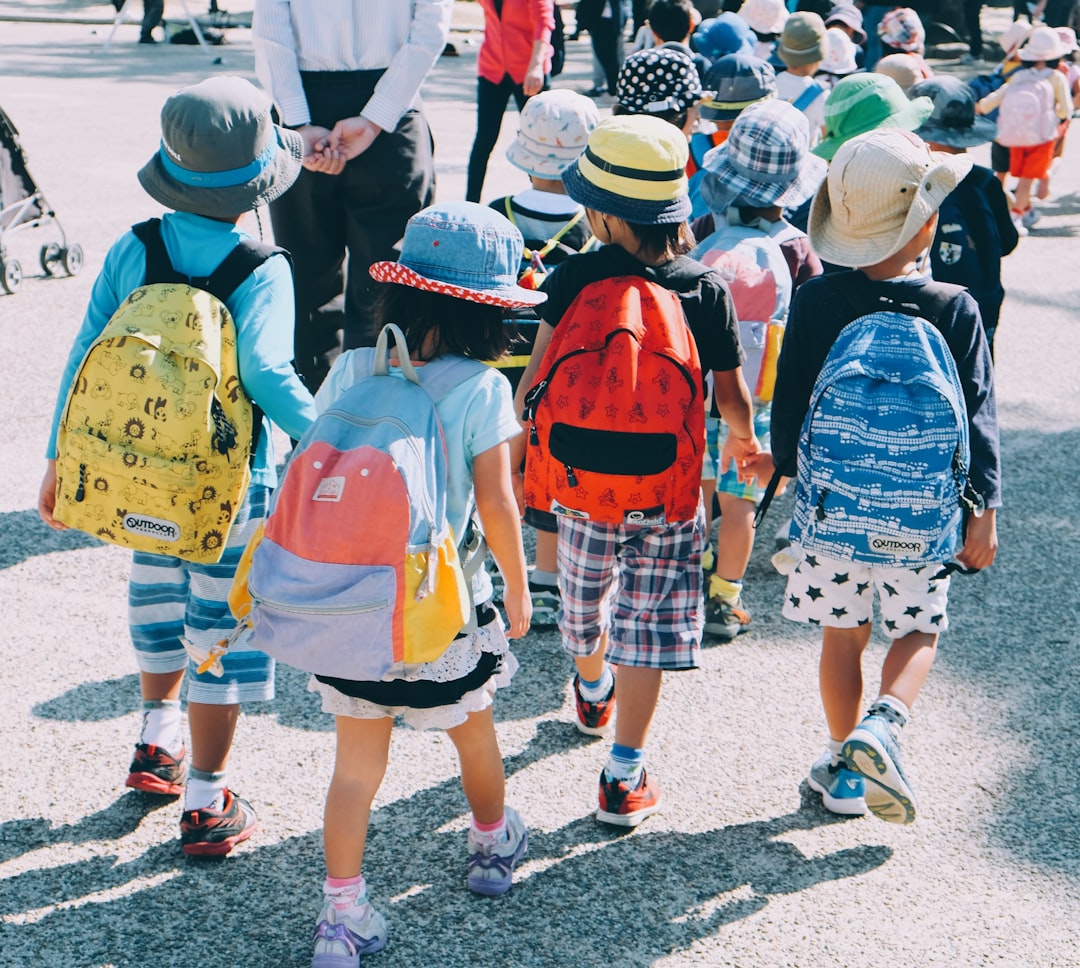
Imagine a warm, sunlit classroom where two young children, both lively and intelligent, embark on their educational journeys. These children are much alike: curious, energetic, and both facing unique challenges in how they interact with the world around them due to their neurodivergent natures.
The Early Days
Both children struggled in traditional settings—overwhelmed by the structured environment, finding the distractions and the rigid schedules disorienting. They felt isolated, their bright minds buzzing with questions and sensations that they couldn’t articulate, making school a place of stress rather than discovery.
Introducing Sound Healing
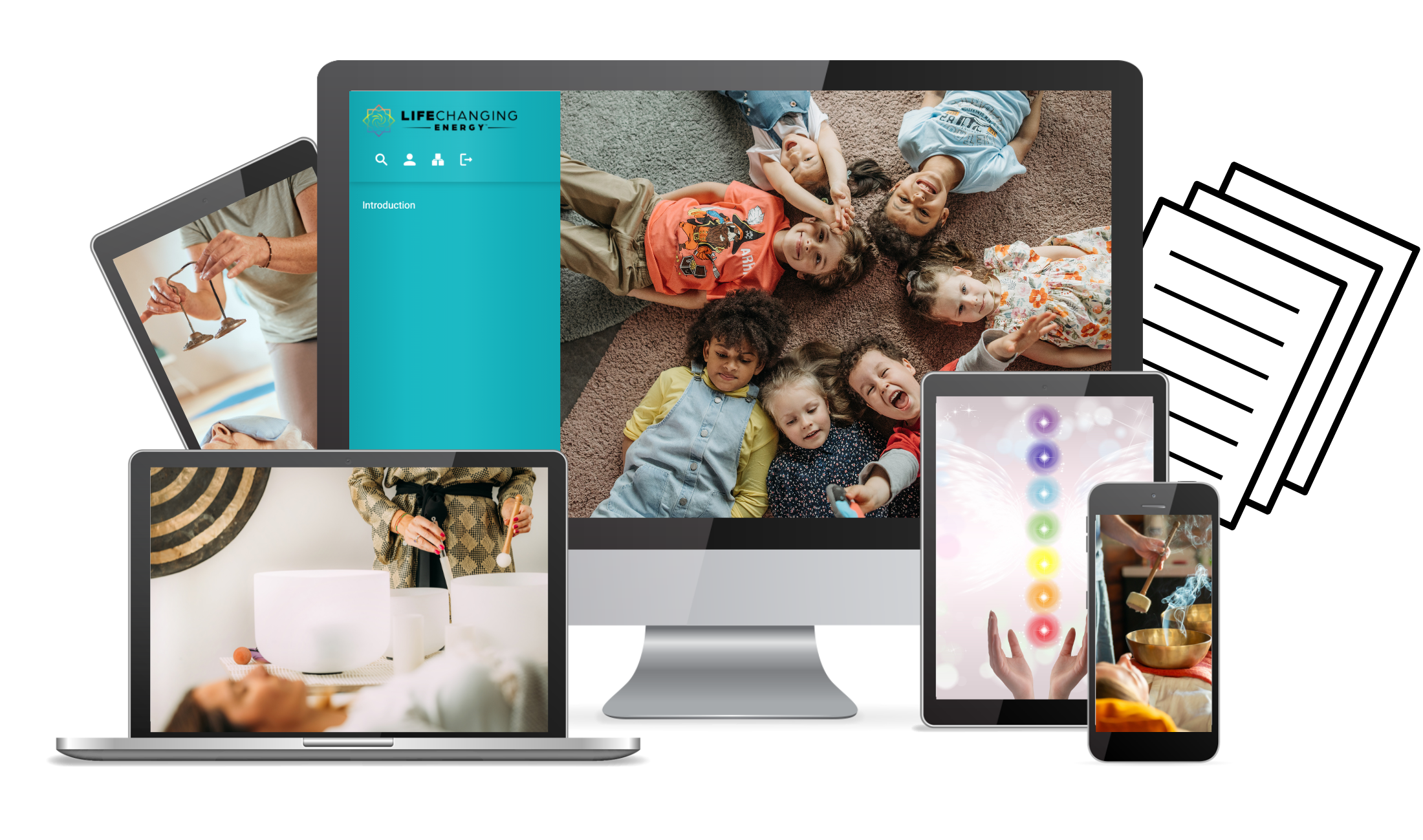
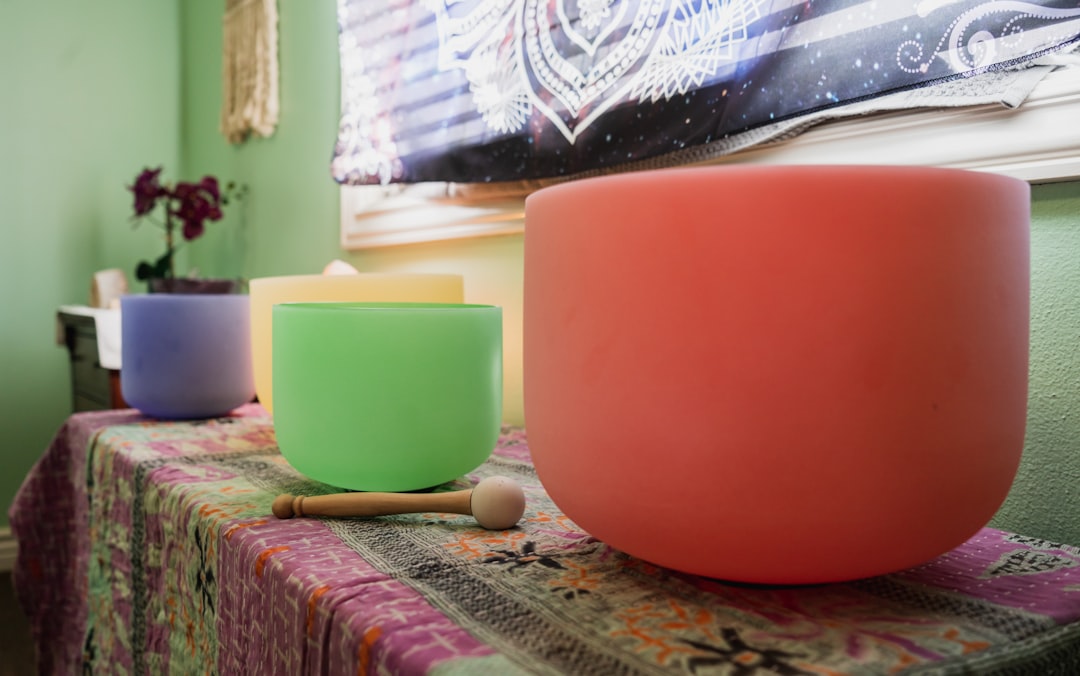
At this crucial juncture, their paths diverged when one child was introduced to sound healing. This child began attending sessions designed specifically for neurodivergent children, using gentle, therapeutic sounds to soothe and recalibrate his sensory experiences. These sessions were not just about listening to sounds; they were about feeling and experiencing vibrations in a way that aligned with his unique perception of the world.
Transformation Unfolds
Over time, this child experienced a remarkable transformation. The overwhelming sensations that once barraged him during school hours began to ebb. With regular sound healing sessions, he found a new way to express himself and interact with his peers. His concentration improved, as did his ability to engage with teachers and classmates in a meaningful way. He became more confident, his moments of frustration replaced by periods of calm and clarity.
A Different Path
Meanwhile, the other child, who had not been introduced to sound healing, continued to struggle with the traditional approaches that failed to accommodate his sensory sensitivities. Despite the best efforts of his teachers and loving family, he often ended up feeling more secluded and misunderstood, his potential overshadowed by his challenges.
The Impact of Sound Healing
Years later, the first child thrives in a way that once seemed impossible. He engages with the world with confidence, backed by the coping mechanisms and skills developed through sound healing. His early intervention with sound therapy paved the way for a fulfilling school experience and later life.
The other child, while supported and loved, took much longer to find his place, navigating many more obstacles along his path to self-expression and acceptance.
Why This Matters
This story isn’t just about two children; it’s about the potential unlocked through understanding and appropriately addressing the unique needs of each individual. Sound healing offers a bridge for those who might otherwise feel perpetually out of sync with their surroundings.
Benefits of Using Sound Healing with Kids ...
-
Enhanced Concentration and Focus: Sound healing can help calm the mind, making it easier for children to concentrate and stay focused during tasks, improving their ability to learn and perform in academic settings.
-
Improved Sleep Patterns: Many sound healing instruments produce tones that can induce a state of deep relaxation, which can help regulate sleep patterns and improve the quality of sleep for children who may struggle with restlessness or insomnia.
-
Encourage Emotional Expression: Help them express their emotions through the safe and soothing medium of sound, allowing them a release that they might not achieve through traditional communication.
- Foster Social Bonds: Create group healing sessions that foster a sense of belonging and community, helping them to feel part of a harmonious ensemble.

-
Emotional Regulation: The therapeutic sounds can help soothe anxiety and promote emotional balance, providing children with tools to better manage their emotions and reactions to their environment.
-
Enhance Self-esteem: Through positive reinforcement and the success of participation in sound healing, foster a stronger sense of self-worth and confidence.
-
Increased Body Awareness: Engaging with sound healing can enhance sensory integration, helping children become more aware of their bodies and how they interact with their surroundings, which is particularly beneficial for those with sensory processing issues.
-
Creative Expression and Development: Sound healing encourages expressive communication and can boost creativity, allowing children a new medium through which to express their feelings and ideas.